When it comes to maintaining a lush, green lawn in Florida, timing is everything. Fertilization can significantly enhance the health and appearance of your grass, but knowing when to apply fertilizer is crucial for maximizing its benefits. In this comprehensive guide, we'll explore the ins and outs of fertilizing your Florida grass, providing expert insights that will help you achieve a vibrant lawn. Whether you're a seasoned gardener or a novice homeowner, this article will equip you with the knowledge needed for effective lawn care in Valrico FL.
Understanding the Climate in Florida
The Unique Challenges of Florida's Climate
Florida's climate is characterized by high temperatures, humidity, and distinct wet and dry seasons. This unique environment presents both opportunities and challenges for lawn maintenance. Understanding this climate is essential for choosing the best times to fertilize your grass.
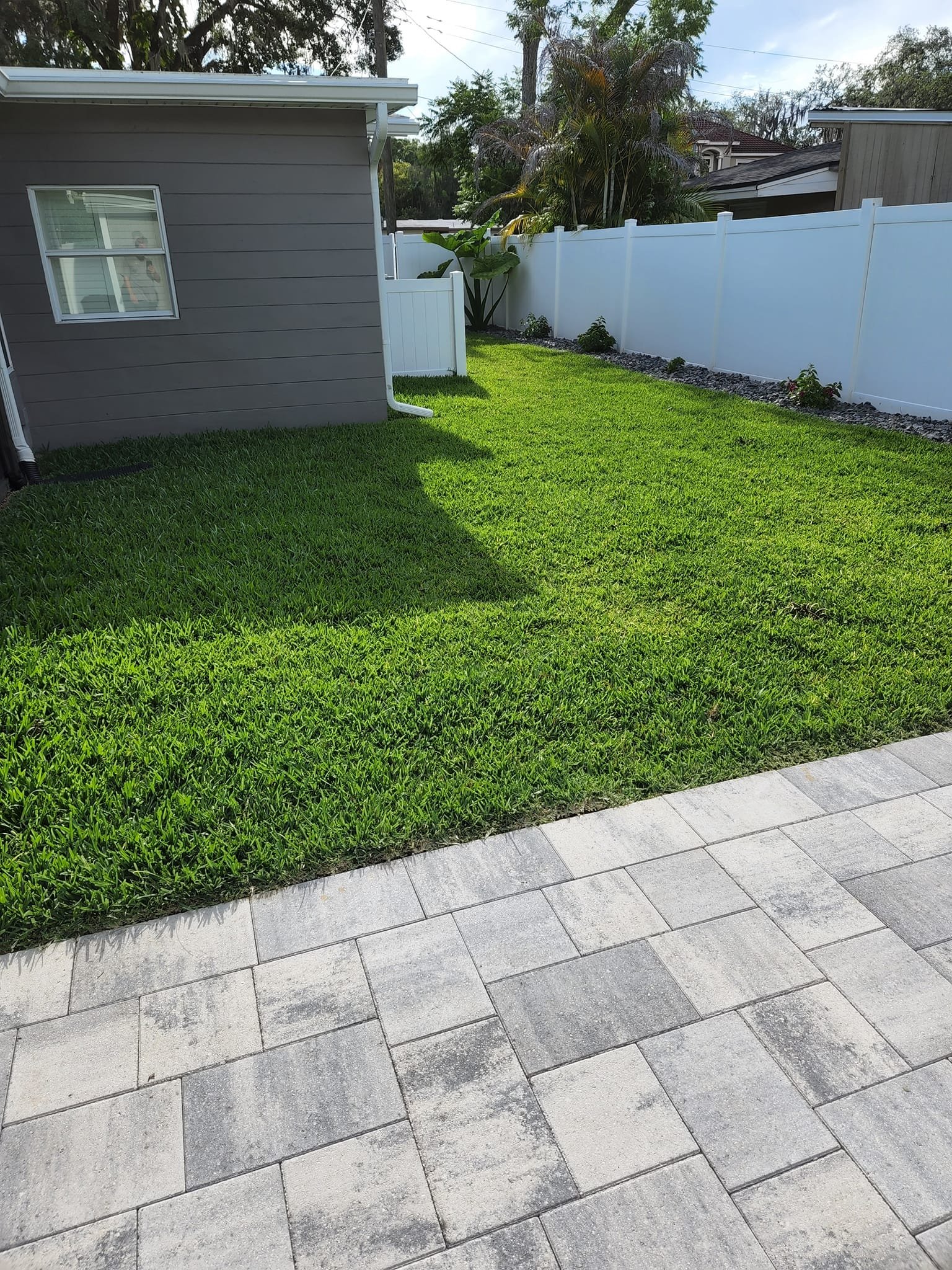
- High Temperatures: During summer months, temperatures can soar above 90°F (32°C), causing stress to many types of grass. Humidity: The humidity level can also affect how fertilizers are absorbed. Wet/Dry Seasons: Florida experiences significant rainfall during certain months, which influences nutrient availability in the soil.
By being aware of these factors, you can make informed decisions about your lawn care routine.
The Importance of Soil Testing
Before you dive into fertilization schedules, it's wise to conduct a soil test. This simple yet effective step helps determine:
- Soil pH levels Nutrient deficiencies Organic matter content
Soil tests provide invaluable information that allows you to tailor your fertilization practices specifically for your lawn's needs.
Choosing the Right Time to Fertilize Your Florida Grass
Seasonal Considerations for Fertilization
Different grasses thrive during varying seasons. Therefore, timing your fertilization efforts according to seasonal changes is key.
Spring Fertilization: Awakening Your Lawn
In early spring (around March to April), warmer temperatures signal the growth season for warm-season grasses such as St. Augustine and Bermuda. Here's why early spring is an optimal time:
Grass Awakens from Dormancy: As temperatures rise consistently above 65°F (18°C), grass begins its active growth phase. Nutrient Boosting: Applying fertilizer at this time provides nutrients needed for robust growth. Pre-emergent Herbicides: Spring application can also include pre-emergent herbicides that prevent weeds from establishing.Summer Fertilization: Sustaining Growth
As summer approaches (June through August), it's essential to continue caring for your grass:
Focus on Nitrogen Needs: Warm-season grasses require ample nitrogen during their peak growing season. Be Mindful of Heat Stress: Avoid fertilizing during extreme heat; early morning or late afternoon applications are ideal. Watering Techniques: Ensure adequate watering after applying fertilizer to help nutrients penetrate the soil effectively.Fall Fertilization: Preparing for Dormancy
As temperatures begin to cool down (September through November), consider a fall fertilization schedule:
Strengthening Roots Before Winter: Application during this period supports root development before dormancy sets in. Slow-Release Fertilizers: Using slow-release formulas ensures nutrients are available over an extended period as grass prepares for winter.Types of Fertilizers Suitable for Florida Grass
Granular vs Liquid Fertilizers
When it comes to choosing between granular and liquid fertilizers, each type has its pros and cons:
Granular Fertilizers
- Pros: Slow-release options provide long-lasting nourishment; easy application using spreaders. Cons: Takes time to dissolve; requires adequate moisture for activation.
Liquid Fertilizers
- Pros: Fast absorption by plants; ideal for quick nutrient delivery. Cons: Short-lived effects; may require more frequent applications.
Organic vs Synthetic Options
Deciding between organic and synthetic fertilizers involves weighing performance against environmental impact:
Organic Fertilizers
- Benefits: Improve soil health over time; environmentally friendly options like compost or manure. Drawbacks: Generally slower acting than synthetic varieties.
Synthetic Fertilizers
- Benefits: Immediate nutrient availability; formulated specifically for various grass types. Drawbacks: Potential negative environmental impact if misused; risk of chemical buildup in soil.
Best Practices for Applying Fertilizer
Timing Your Applications Wisely
To maximize effectiveness while minimizing waste or damage, always consider weather conditions when planning your applications:
Avoid applying before heavy rains that could wash away nutrients. Wait until after mowing to allow leaves enough time to absorb nutrients properly.Using Proper Equipment and Techniques
Whether you're using a spreader or spray applicator, proper techniques ensure even coverage across your lawn:
For granular fertilizers:- Use a calibrated spreader set at recommended rates. Apply in two directions (north-south then east-west) for uniform distribution.
- Follow manufacturer instructions regarding dilution ratios. Apply during cooler parts of the day to avoid evaporation losses.
Signs That Your Lawn Needs More Nutrients
1. Yellowing Grass Blades
If you notice patches of yellowing grass, particularly in new growth areas, it’s often indicative of nitrogen deficiency—consider timely fertilization!
2. Stunted Growth
A lackluster lawn with minimal growth could signal nutrient deficiencies across various components—address these issues promptly with appropriate fertilizers tailored specifically towards those needs!
3. Weeds Taking Over
An abundance of weeds may suggest that your lawn isn’t healthy enough to compete—a well-fertilized turf tends naturally toward weed resistance—so be proactive!
FAQs About Lawn Care in Valrico FL
Q1: When should I start fertilizing my lawn in Valrico?
A1: Early spring is typically when most warm-season grasses begin actively growing—usually around March or April—as soon as nighttime temperatures frequently stay above 65°F (18°C).
Q2: How often should I fertilize my Florida lawn?
A2: Generally speaking, every 6–8 weeks during peak growing seasons (spring through summer) is advisable—but always follow soil test recommendations first!
Q3: What type of fertilizer should I use?
A3: The type depends on specific grass variety preferences; however, slow-release nitrogen options are generally preferred due to longer-lasting effects without risking burn damage!
Q4: Should I water my lawn after applying fertilizer?
A4: Absolutely! Watering right after application helps activate nutrients while ensuring they penetrate deep within root zones effectively!
Q5: Can I apply fertilizer during the rainy season?
A5: It’s best avoided unless there’s no immediate storm forecast—heavy rain can cause runoff leading not only toward wasted product but potential environmental impacts too!
Q6: Is it necessary to aerate before fertilizing?
A6: While not strictly required—it’s often beneficial! Aeration improves air circulation while allowing better nutrient uptake post-fertilization—especially important if dealing with compacted soils!
Conclusion
Achieving a vibrant lawn in Florida takes diligence and understanding—the right timing combined with suitable products makes all the difference! By following this guide on "Choosing the Right Time to Fertilize Your Florida Grass," you'll be well on your way toward nurturing healthy turfgrass throughout every season! Remember also that local experts like Tarpon Lawn & Pest offer invaluable services tailored specifically toward optimizing results based on local conditions—consider consulting them as part of any ongoing maintenance strategy!